Hydrostatic pressure is one of the most overlooked causes of basement water problems. It builds silently beneath the surface as groundwater collects around your foundation. Over time, this creates a constant force pushing inward against basement walls and floors.
We specialize in identifying and controlling this pressure before it turns into long-term structural damage. Our approach to hydrostatic pressure waterproofing in NYC is system-based. It's designed to relieve pressure at its source and protect your foundation permanently.
Schedule a Hydrostatic Pressure Assessment TodayWhy This Matters
We specialize in identifying and controlling this pressure before it turns into long-term structural damage. Our approach to hydrostatic pressure waterproofing in NYC is system-based.
What Hydrostatic Pressure Actually Means for Your Basement?
To understand the problem, you need to understand the force behind it.
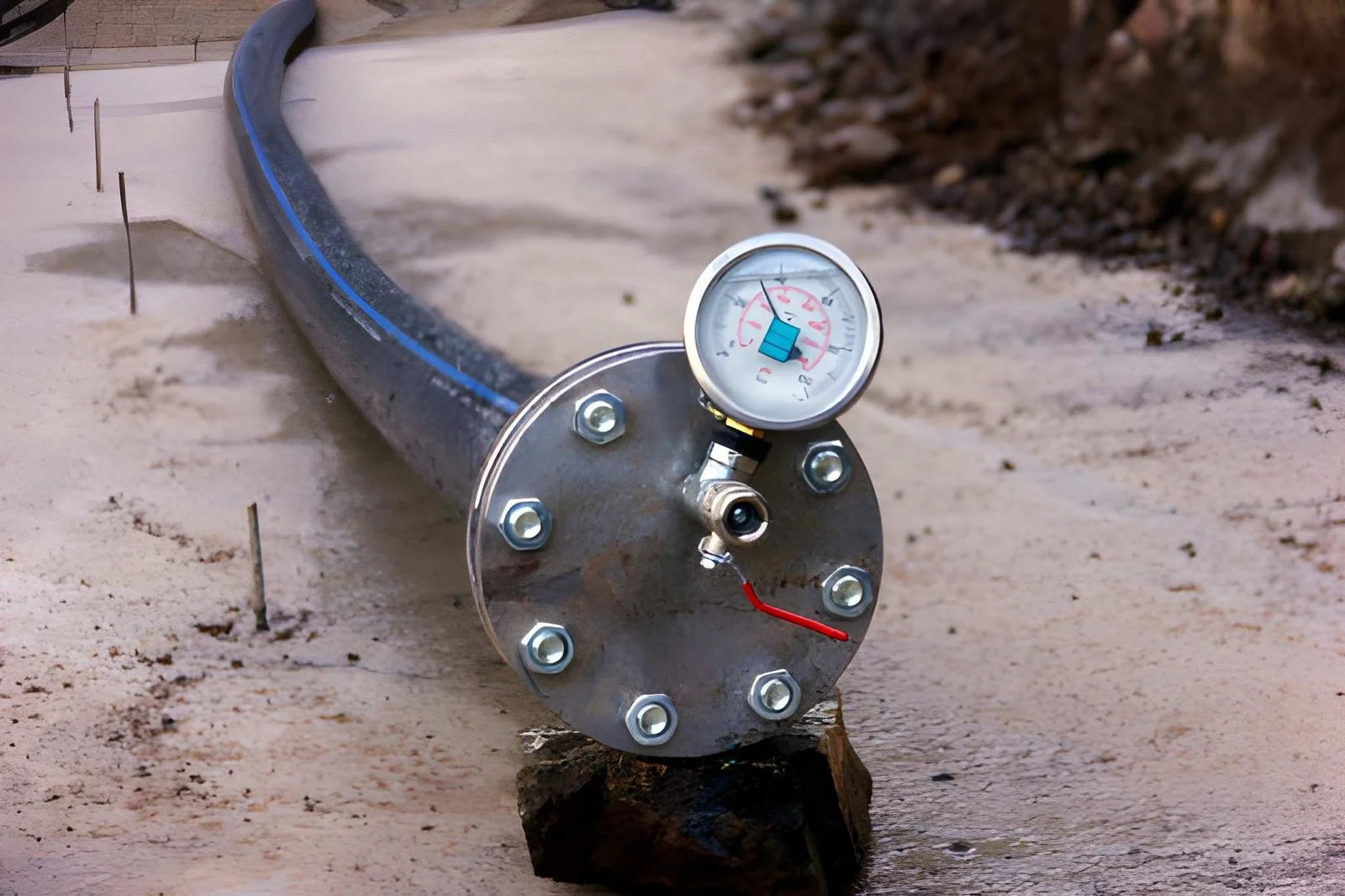
When rainwater or groundwater saturates the soil around your home, it creates water pressure buildup around the foundation that NYC structures must constantly resist.
This pressure behaves like a force pushing inward on every weak point:
- Basement walls
- Floor joints
- Construction seams
- Micro-cracks in concrete
Over time, this leads to moisture seepage, wall dampness, structural stress, and gradual weakening of foundation materials.
How Hydrostatic Pressure Damages Foundations Over Time?
Most homeowners first notice small issues like a damp corner, a faint stain, or a musty smell. But beneath these early signs, a much deeper process is occurring.
Basement wall seepage due to soil pressure
Expansion of micro-cracks in concrete
Increased moisture penetration into structural layers
Long-term weakening of foundation integrity
In advanced cases, water begins to move through solid concrete due to continuous pressure exposure. This is why ignoring early signs often results in larger repair costs later.
Why Are NYC Buildings Especially Vulnerable?
Homes and buildings across NYC face unique underground conditions. These include high soil saturation levels, older foundation construction methods, limited natural drainage pathways, and dense urban soil compression.
These factors increase soil saturation's impact on basements in NYC properties, experienced year-round, not just during storms. As a result, hydrostatic pressure becomes a constant condition, not an occasional issue.
Warning Signs of Hydrostatic Pressure Issues
Hydrostatic pressure rarely announces itself clearly at the beginning. Instead, it appears through progressive symptoms:
Persistent damp or cold basement walls
White mineral deposits (efflorescence)
Hairline cracks that gradually expand
Peeling paint or wall blistering
Water intrusion after heavy rain
Increased basement humidity levels
These are all indicators of pressure-related basement leaks, even if visible water is not yet present. By the time water becomes visible, the pressure has usually been active for a long period.
Why Surface Waterproofing Alone Fails
Many waterproofing solutions focus on sealing visible entry points. However, hydrostatic pressure does not behave like surface water.
It pushes through weak concrete pores, foundation joints, and micro-cracks invisible to the eye.
This is why coatings and patchwork repairs often fail over time. Without addressing structural stress from underground water, the problem simply reappears — sometimes in a different location.
True waterproofing must manage the force itself, not just the symptoms.
Our Hydrostatic Pressure Control System
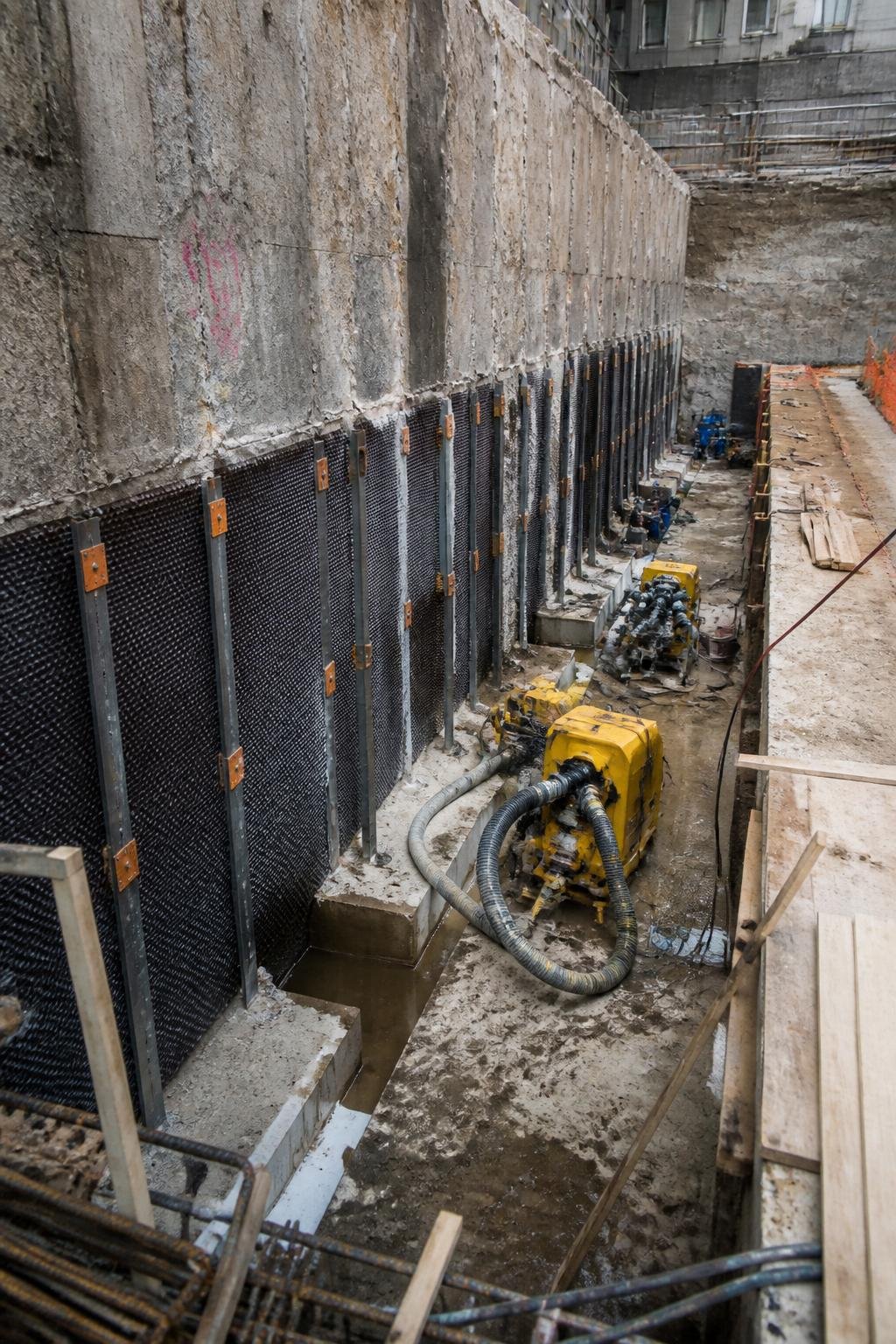
Our approach is built on a simple principle: If you cannot stop water from existing underground, you must control its movement and pressure.
Pressure Assessment & Mapping
We identify where the groundwater force is strongest and how it interacts with your foundation.
Subsurface Water Diversion
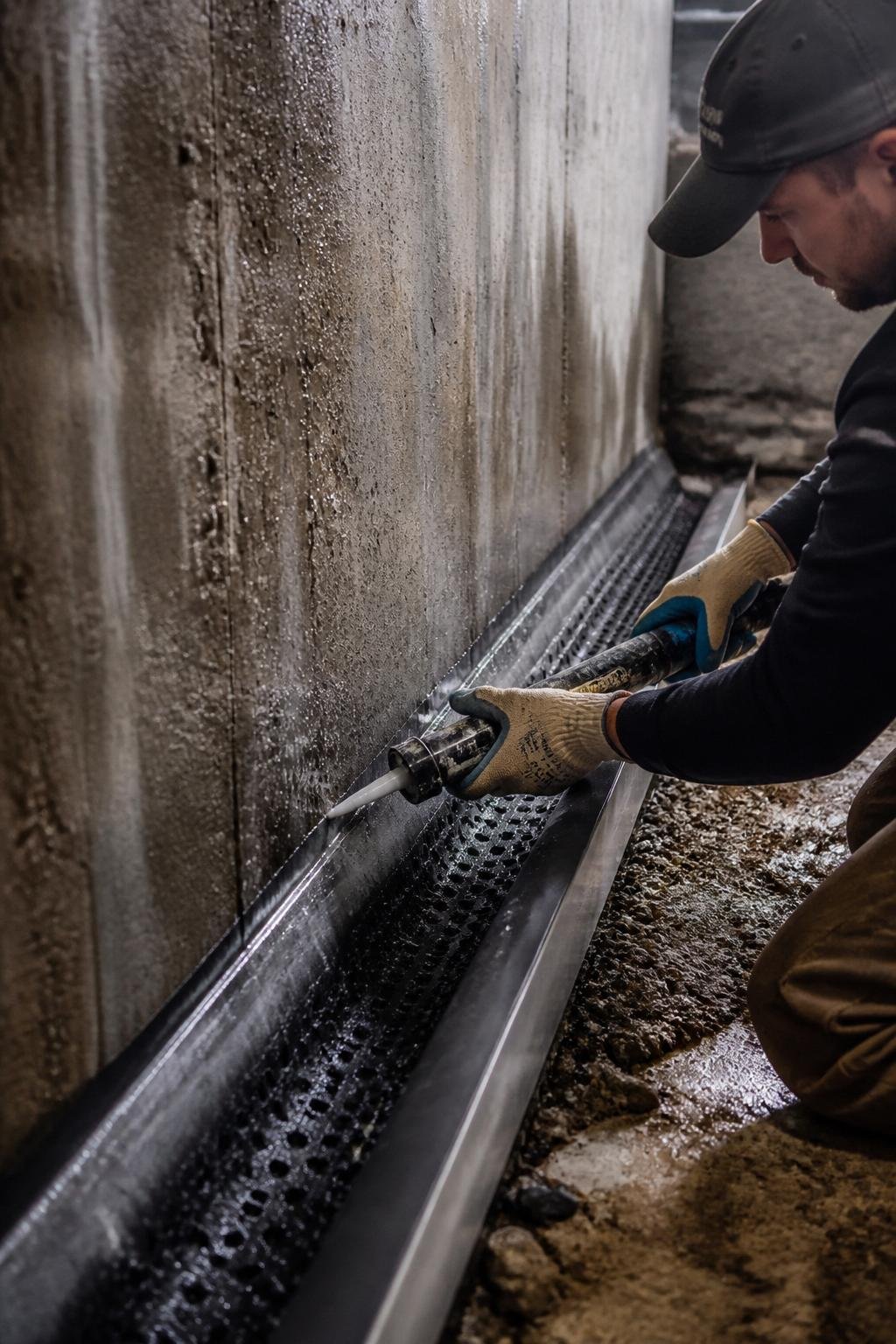
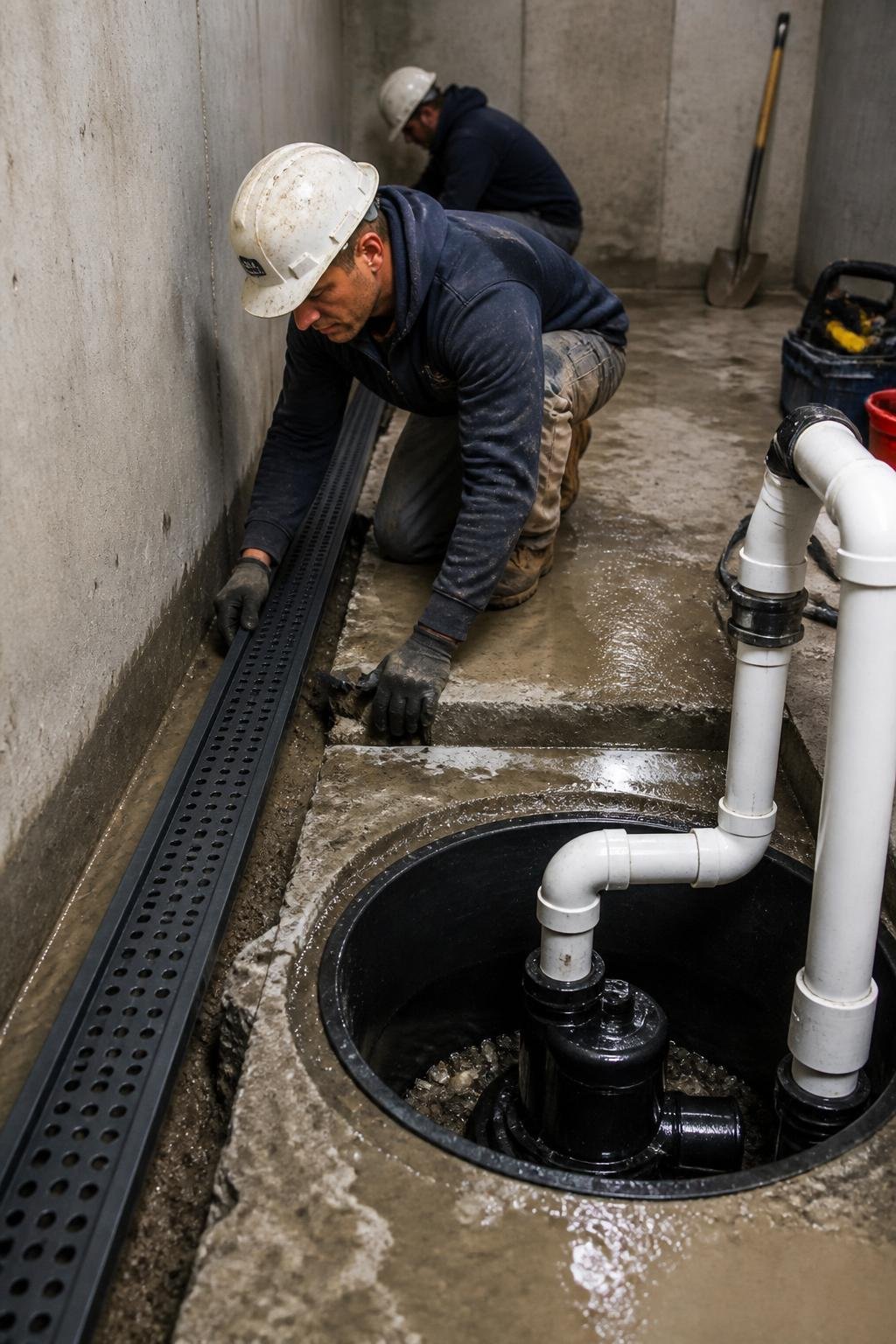
We install drainage pathways that redirect water before it builds pressure against the structure. This forms the foundation of subsurface water control solutions that prevent accumulation at the wall level.
Pressure Relief Systems
We reduce force buildup using engineered drainage systems that release hydrostatic pressure safely.
Structural Reinforcement
Cracks and vulnerable points are sealed using long-term injection and reinforcement techniques.
Moisture Stabilization
We ensure residual humidity is controlled to prevent future foundation wall moisture penetration issues.
Long-Term Protection Strategy
Short-term fixes fail because they ignore system behavior. Our goal is long-term protection from underground water pressure, not temporary relief.
Continuous Drainage Management
Sustained water diversion over time.
Pressure Redistribution Systems
Balanced force across foundation walls.
Structural Sealing
Permanent closure of vulnerable points.
Moisture Control Integration
Complete environmental balance.
Each layer works together to ensure your foundation remains stable even during heavy rainfall or seasonal groundwater shifts.
Real Conditions We Solve
Every property presents a different pressure pattern, but common scenarios include:
If your basement leaks after heavy rain
We address pressure buildup beneath the foundation rather than surface entry points.
If walls stay damp year-round
We control subsurface moisture movement and humidity imbalance.
If cracks keep returning
We relieve structural stress causing repeated expansion.
If previous waterproofing failed
We rebuild the system from the ground level up.
Why Does Our Approach Work Where Others Fail?
Most contractors treat water as a surface problem. We treat it as a structural force system.
Water is controlled before it reaches the walls
Proactive rather than reactive approach.
Pressure is reduced, not just blocked
Addressing the root cause of damage.
Drainage is designed as a system, not a patch
Comprehensive water management.
Long-term behavior is considered
Not just current damage symptoms.
This is what makes our hydrostatic pressure solutions more durable and reliable in NYC conditions.
Serving NYC Properties with Structural Expertise
We provide hydrostatic pressure waterproofing across Manhattan, Brooklyn, Queens, Bronx, and Staten Island. Each area requires a different understanding of soil conditions, building age, and water behavior, and our systems are adapted accordingly.
Frequently Asked Questions
It is caused by groundwater accumulating in soil and exerting force against foundation walls.
It cannot be eliminated, but it can be controlled and managed effectively through proper systems.
Yes. Waterproofing blocks water entry, while hydrostatic pressure systems manage the force causing it.
With a properly designed system, protection is long-term and stable under typical NYC conditions.
Stop Water Pressure Before It Becomes Structural Damage
Hydrostatic pressure is not a visible problem until it becomes one. By the time water reaches your basement walls, the force behind it has already been active for a long time.
Addressing it early protects not just your basement, but your entire foundation system.
If you're noticing dampness, seepage, or recurring leaks, the underlying issue is likely pressure, not just water.