Stop Water Problems Before They Disrupt Your Property
Water intrusion in a commercial building is never just a basement issue. At Basement Waterproofing NYC, we help property owners protect their buildings with long-term waterproofing systems designed for real structural conditions, not temporary surface repairs.
Our team works throughout all NYC boroughs, handling everything from recurring seepage and foundation cracks to severe flooding and pressure-related moisture intrusion.
Request Free Estimate NowOur Focus
We focus on identifying how water is entering the structure, why it continues happening, and what is required to stop it for the long term, protecting your property from costly future damage.
Why Are Water Problems Becoming Expensive in Commercial Buildings?
Commercial properties face different risks than residential spaces. Moisture problems in a business environment can interrupt operations, damage inventory, create safety concerns, and increase maintenance costs over time.
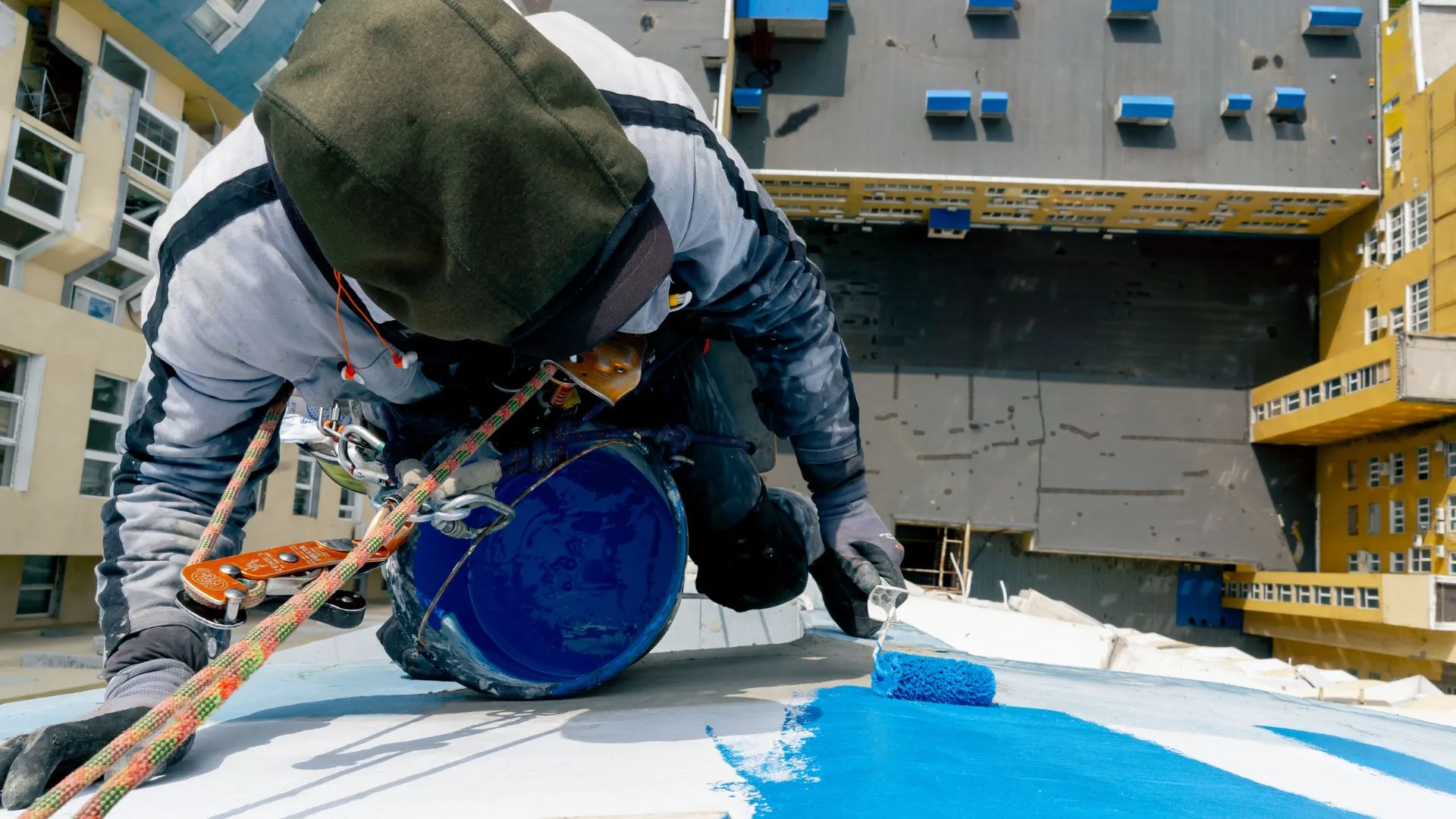
Even when flooding is not visible, trapped moisture behind walls and beneath flooring can quietly weaken materials and create unhealthy indoor conditions.
Many property owners delay repairs because the issue seems manageable at first. Over time, water begins spreading deeper into the structure, especially during heavy rainfall and seasonal groundwater shifts.
Addressing the source early is usually far less expensive than repairing long-term structural damage later.
In NYC buildings, this often leads to:
Foundation deterioration
Mold growth
Rusting equipment
Damaged storage areas
Peeling wall surfaces
Humidity buildup
Tenant complaints
Structural weakening
Ongoing repair expenses
What Causes Basement Leaks in NYC Commercial Properties?
A single crack or isolated failure does not cause most basement leaks. Water intrusion usually develops from pressure buildup, drainage problems, aging materials, and foundation weaknesses working together over time.
Hydrostatic Pressure
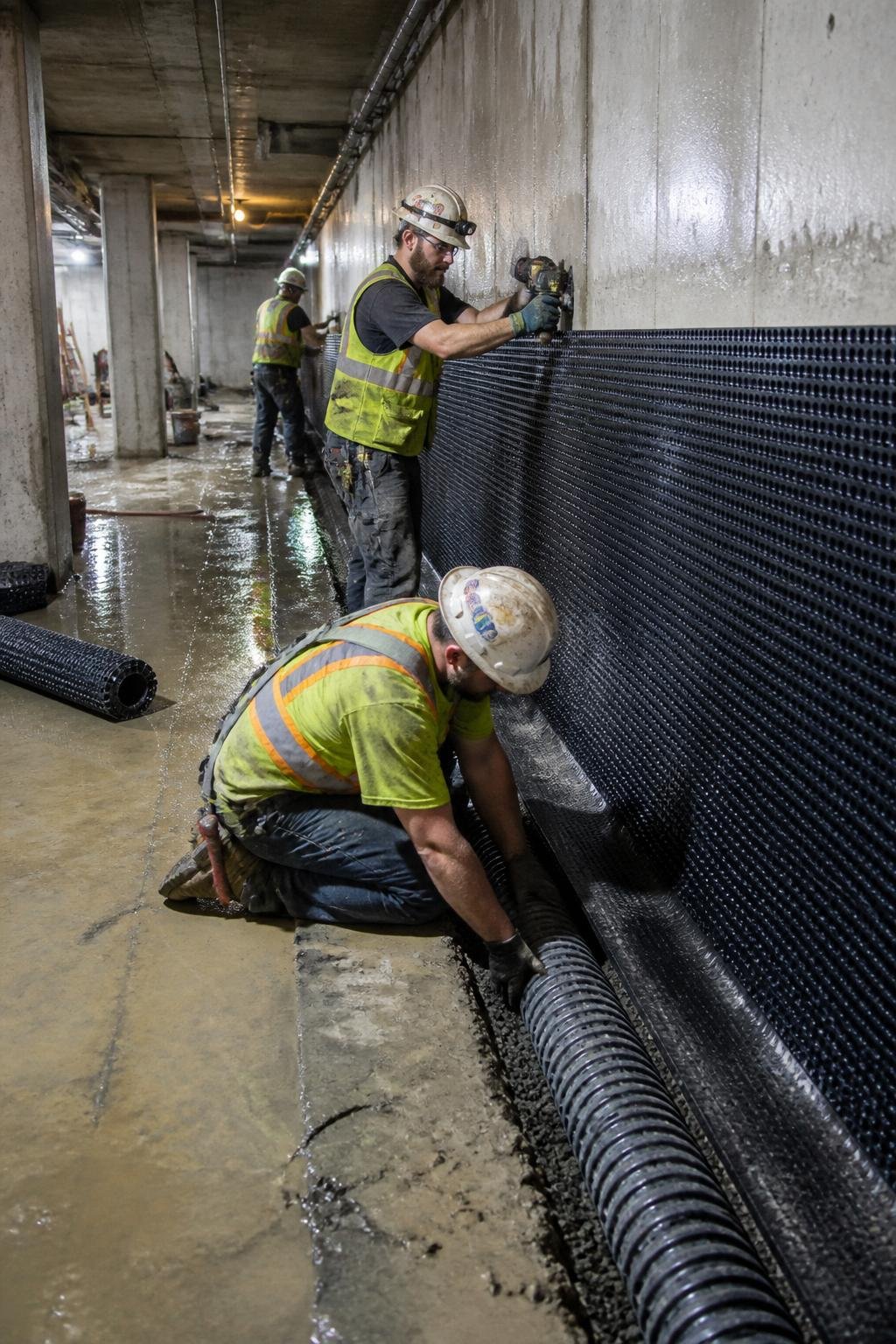
One of the most common causes of recurring leaks is hydrostatic pressure. When groundwater builds up around a structure, pressure pushes against the basement walls and flooring continuously.
Concrete naturally contains pores and weak points, allowing moisture to force its way inside when pressure becomes too strong.
Foundation Cracks & Structural Movement
As buildings settle and age, cracks begin forming in walls, floors, and joints. Some are visible immediately, while others remain hidden behind finishes and insulation. Even narrow openings can allow moisture intrusion when underground pressure increases.
Poor Drainage Around the Property
Water should always move away from the structure. When drainage systems fail or become overwhelmed, water collects near the foundation. Clogged drains, grading problems, damaged gutters, and urban runoff all contribute to excess moisture.
Failed Previous Repairs
A large number of commercial properties already have some form of previous waterproofing attempt. The problem is that many systems were designed to hide symptoms rather than control underground water movement itself.
Stop Recurring Leaks for Good
If your commercial property keeps experiencing the same water problems, it's time to address the actual source. Schedule a professional inspection today.
Schedule InspectionWarning Signs Property Owners Should Never Ignore
Basement problems rarely begin with standing water. In many cases, the earliest signs are subtle and easy to dismiss until larger damage develops. A persistent musty odor is often one of the first indicators of trapped moisture inside the structure.
Dark stains on concrete walls
White powder residue on surfaces
Peeling paint or bubbling coatings
Water marks along floor joints
Rust on pipes or metal fixtures
Mold growth near corners or storage areas
Cracks spreading across walls or floors
Damp inventory or stored materials
Increased indoor humidity
Recurring leaks after heavy rain
These conditions usually indicate that water pressure is already affecting the foundation system beneath the building.
Buildings We Commonly Work With
Different commercial structures experience different moisture challenges depending on their design, occupancy, drainage conditions, and age. Our team works with a wide range of properties throughout NYC.
Apartment buildings
Office buildings
Retail stores
Warehouses
Mixed-use properties
Restaurants
Medical facilities
Schools and educational buildings
Industrial spaces
Storage facilities
Parking structures
Commercial basements below street level
Each property requires a different strategy based on how water moves around the structure and how the space is being used.
Our Approach Starts With Identifying the Real Cause
Many waterproofing companies focus only on visible damage. We take a different approach by analyzing where water is entering, what pressure conditions exist around the building, and how moisture is spreading through the structure.
A leak appearing in one corner of the basement does not always mean that is where the problem begins. Water often travels behind walls, beneath flooring systems, and through foundation joints before becoming visible inside the property.
Foundation Condition
We assess the structural integrity of your foundation, identifying weakened areas that may allow moisture intrusion.
Water Entry Points
Pinpointing exactly where water is entering helps us design a system that addresses the actual problem, not just the symptoms.
Pressure Buildup Zones
Identifying where hydrostatic pressure builds against your structure allows us to redirect water before it forces its way in.
Drainage Failures
We evaluate existing drainage systems to find clogs, damage, or design issues that allow water to collect near the building.
Moisture Movement Patterns
Understanding how moisture spreads through your building helps us prevent damage in areas not yet visibly affected.
Existing Waterproofing Failures
If previous solutions failed, we identify why and build a system designed around the real source rather than cosmetic fixes.
Why Long-Term Protection Matters?
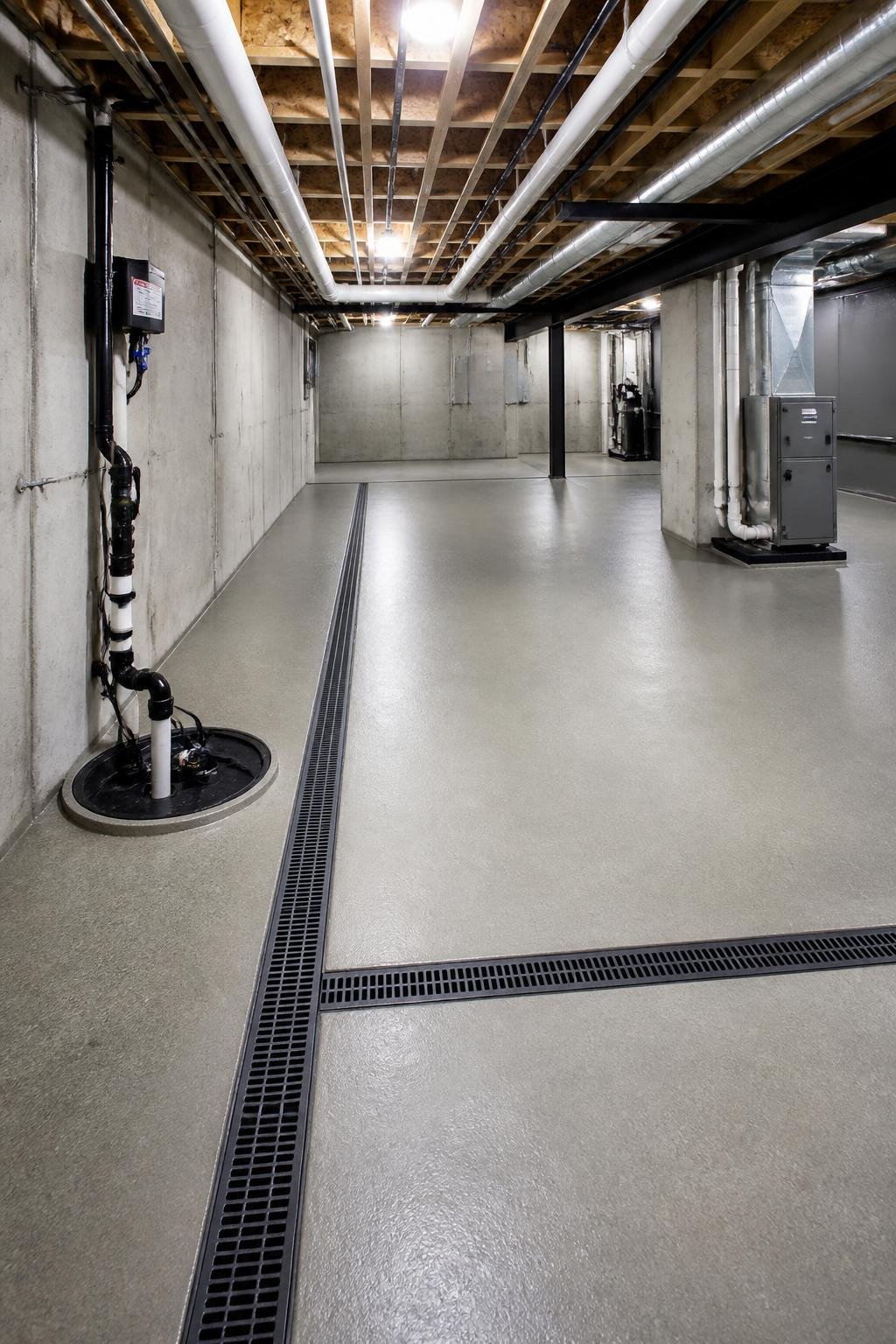
Temporary waterproofing solutions often fail because they treat water only after it enters the basement. Long-term protection requires controlling how water behaves around and beneath the structure before it reaches interior spaces.
NYC Commercial Buildings Face Unique Conditions
This becomes especially important in NYC commercial buildings, where:
- Groundwater pressure changes seasonally
- Foundations are often decades old
- Stormwater systems become overloaded
- Buildings are tightly packed together
- Drainage access may be limited
Without proper pressure management and moisture control, leaks frequently return even after previous repair work.
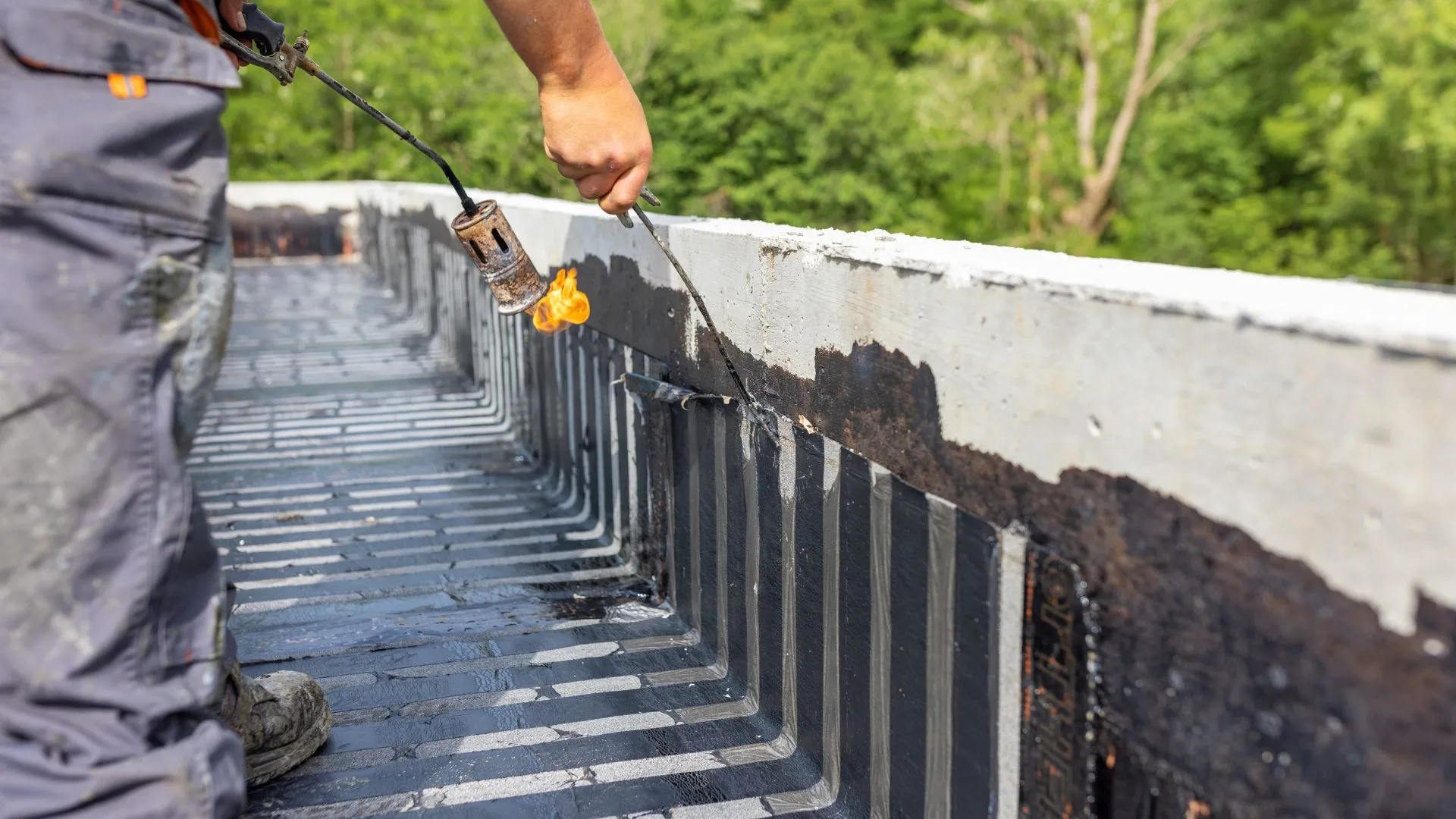
Structural Stability
Protecting the integrity of your foundation and load-bearing structures over the long term.
Indoor Air Quality
Reducing moisture-related contaminants that affect the air your tenants and employees breathe.
Tenant Spaces
Keeping commercial spaces dry, comfortable, and free from moisture-related complaints.
Equipment & Inventory
Preventing costly damage to stored goods, machinery, and operational equipment.
Finished Basement Areas
Maintaining usable below-grade space without recurring damage to finishes and materials.
Long-Term Property Value
Protecting your investment from depreciation caused by chronic moisture and structural problems.
The goal is not simply to stop current leaks, but to reduce the conditions that allow moisture problems to keep returning.
Serving Commercial Properties Across NYC
Each borough presents different waterproofing conditions. Our team works throughout all five boroughs of New York City.
Frequently Asked Questions
Many NYC commercial buildings were constructed decades ago. They were not designed to handle modern groundwater pressure, overloaded drainage systems, or changing weather conditions. Older foundations, dense urban construction, limited exterior drainage access, and below-grade basement spaces all increase the risk of recurring moisture problems throughout the city.
Water intrusion can happen anywhere in the city, but the causes often vary by borough. Older Manhattan properties commonly face aging foundation systems and limited drainage access, while Brooklyn and Queens buildings frequently experience groundwater pressure and stormwater buildup. Properties in the Bronx and Staten Island may deal with shifting soil conditions, runoff accumulation, and foundation movement after heavy rain.
Yes. Long-term moisture problems can contribute to mold growth, poor indoor air quality, structural deterioration, and unsafe basement conditions. In commercial properties, these issues may eventually affect occupancy requirements, tenant safety standards, maintenance obligations, or local inspection concerns if left unresolved for too long.
Proper waterproofing and moisture control can help create safer indoor conditions by reducing dampness, mold risk, and humidity buildup. This is especially important in commercial environments where tenants, employees, customers, or stored materials may be affected by ongoing moisture exposure.
Many recurring leaks happen because earlier work focused only on visible symptoms rather than the underlying cause of the moisture intrusion. Long-term protection requires managing how water behaves beneath and around the structure itself.
Schedule a Commercial Basement Waterproofing Inspection
If your building has recurring leaks, damp conditions, musty odors, humidity problems, or visible signs of foundation moisture, Basement Waterproofing NYC can help you determine what is causing the issue and what steps are needed to correct it properly.
Contact our team today to schedule a detailed commercial basement waterproofing inspection anywhere in NYC.